 604 4480093
 +57 (314) 741-8241
 medellin@radacassab.com




 604 4480093
 +57 (314) 741-8241
 medellin@radacassab.com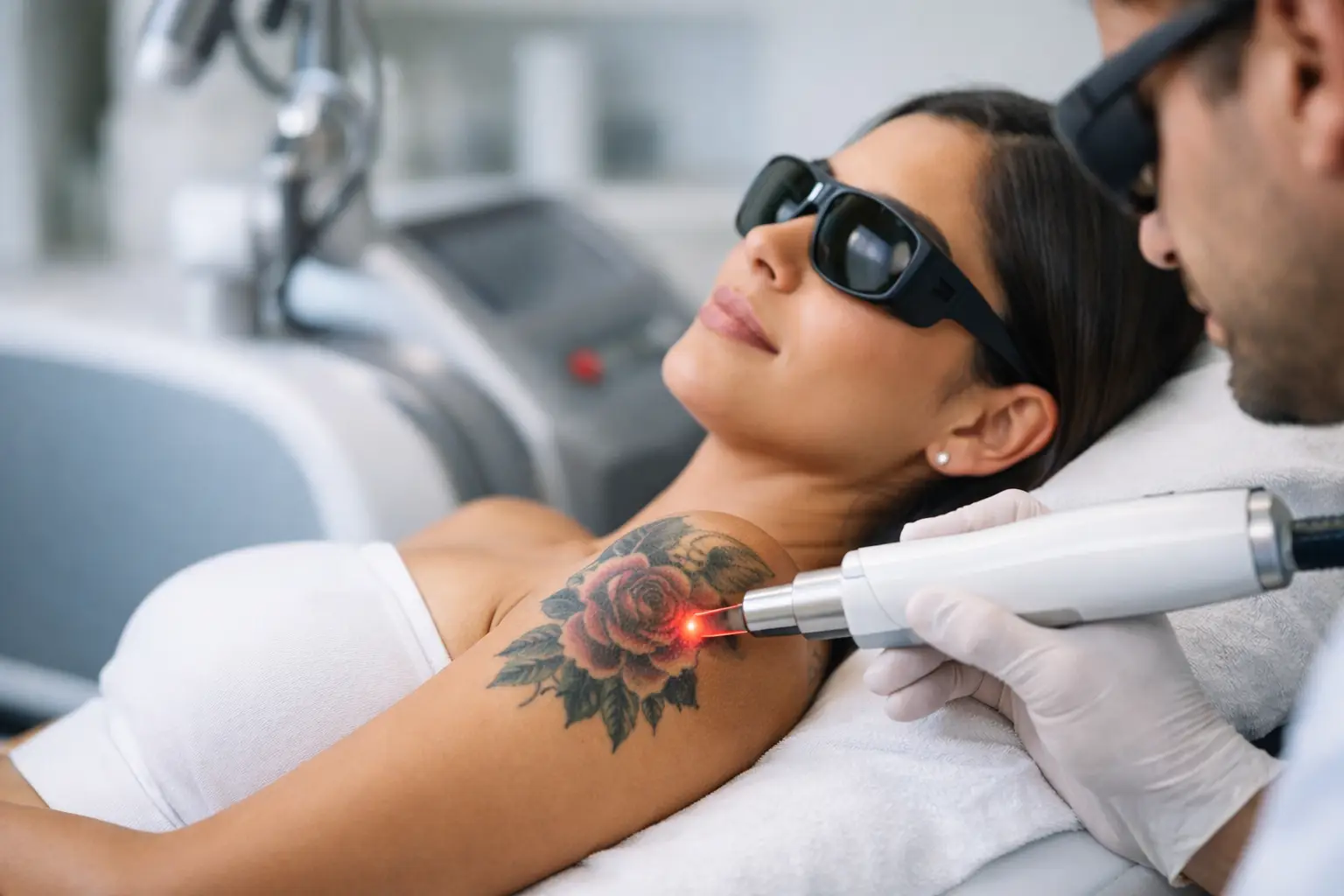

A tattoo can represent a chapter, a relationship, a style, or a decision that no longer feels aligned with who you are. Choosing to remove it is not about erasing the past. It is about having the freedom to refine your image on your own terms. Remoción de tatuajes con láser offers a precise, clinically guided way to progressively fade unwanted ink while respecting the health and appearance of your skin.
For patients who value visible results, discretion, and an elevated standard of care, the difference lies in more than the laser itself. A thoughtful treatment plan considers your tattoo, your skin tone, your lifestyle, and the result you want to see in the mirror.
How laser tattoo removal works
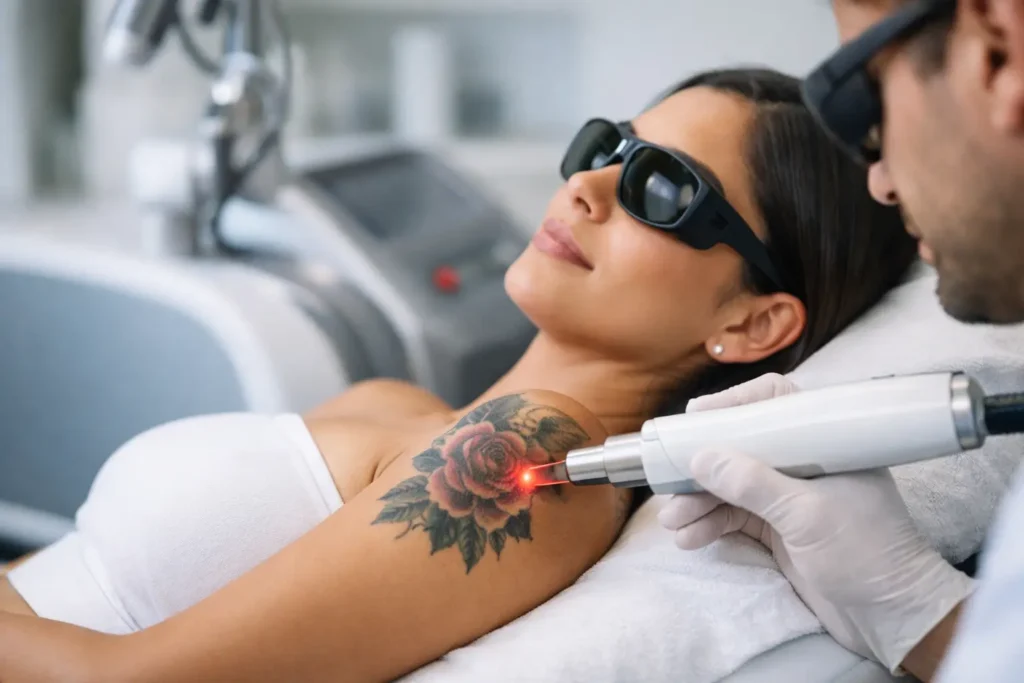
Tattoo ink is placed deep within the skin, which is why creams, exfoliation, and home remedies cannot remove it safely or effectively. Laser technology delivers controlled pulses of energy that target ink particles beneath the surface. The pigment absorbs that energy and breaks into smaller fragments.
After each session, your body gradually processes and clears those fragments through its natural lymphatic system. This is why tattoo removal is a progressive treatment, not an instant procedure. The fading continues between appointments as the skin recovers and the body does its work.
Modern laser tattoo removal is designed to focus on pigment while minimizing unnecessary impact on surrounding tissue. Still, treatment should never be approached as a one-size-fits-all service. The right settings, spacing between sessions, and skin preparation are essential to achieving a refined result with safety at the center.
What determines how many sessions you may need?
The most common question is simple: how long will it take? The honest answer is that it depends. Some tattoos respond quickly, while others require a longer plan for significant fading or complete removal.
Several variables shape the process:
- Ink color and composition. Black and dark inks often respond more predictably than lighter colors. Blue, green, red, yellow, and white pigments can require a different approach and, in some cases, additional sessions.
- Tattoo depth and density. Professional tattoos typically contain more concentrated ink placed at a more consistent depth. Amateur tattoos may fade more quickly, but every case is individual.
- Tattoo size and location. Larger pieces naturally take more time. Tattoos located closer to areas with strong circulation may clear differently than those on hands, feet, or lower legs.
- Your skin and immune response. Skin tone, healing capacity, overall wellness, and personal medical history all influence planning.
- Previous removal attempts or cover-ups. A tattoo that has been layered, retouched, or treated before may need a more strategic protocol.
A personalized assessment is the only responsible way to estimate your treatment plan. Promising an exact number of sessions before evaluating the tattoo can create unrealistic expectations. At an expert clinic, transparency is part of the experience.
Does laser tattoo removal hurt?
Most patients describe the sensation as quick, intense pulses against the skin, often compared to the snap of a small elastic band. The feeling is brief because each laser pulse lasts only a fraction of a second. Sensitivity varies according to the tattoo’s placement, size, and your individual tolerance.
Comfort management matters. Cooling techniques and clinically appropriate topical numbing options may be considered to make the experience more manageable. A premium treatment experience should feel calm, informed, and carefully supervised from the moment you arrive through your post-treatment guidance.
The area may look temporarily red, swollen, or slightly frosted immediately after the session. These are expected short-term responses. Your provider will explain what is normal, what to avoid, and when to contact the clinic with questions.
Preparing for remoción de tatuajes con láser
Your preparation begins before the first laser pulse. During your consultation, disclose medications, skin conditions, allergies, recent procedures, and any history of unusual scarring or pigment changes. This information helps determine whether treatment should proceed, be adjusted, or be postponed.
Avoid arriving with sunburned or heavily tanned skin. Excess sun exposure can increase sensitivity and complicate accurate treatment planning. It is also wise to keep the area free of irritation, active infection, or open wounds.
If you are planning a beach vacation, an outdoor event, or extended sun exposure, schedule strategically. Tattoo removal is best treated as a skin-health commitment, not a last-minute appointment before travel. Giving your skin the right conditions to recover can make a meaningful difference in the quality of the process.
A realistic timeline creates better results
Sessions are usually spaced several weeks apart. That interval is not wasted time. Your skin needs time to heal, and your body needs time to clear fragmented pigment. Treating too aggressively or too frequently can increase unnecessary irritation without accelerating the outcome you want.
For patients traveling to Medellín from Miami, Panama City, Aruba, Curaçao, Puerto Rico, or other destinations, a treatment calendar can be designed around appropriate clinical intervals. The goal is never to rush your skin. The goal is to pursue progressive fading with precision and confidence.
Aftercare is part of the treatment
The laser session is only one part of your results. Proper aftercare protects the treatment area and supports an elegant recovery. Follow every instruction from your provider, especially during the first days when the skin is more sensitive.
Keep the area clean, avoid friction from tight clothing, and do not pick, scratch, or disturb any scabbing or small blisters that may develop. Avoid swimming pools, hot tubs, saunas, intense heat, and strenuous exercise until your provider confirms it is appropriate. Sun protection is particularly important throughout the treatment journey, since UV exposure can contribute to unwanted pigmentation changes.
You should also avoid applying unapproved active products, acids, exfoliants, or fragranced cosmetics to the treated area. Gentle care is not a compromise. It is the most sophisticated choice for skin that is healing.
Can every tattoo disappear completely?
Many tattoos can fade dramatically, and some can be removed to the point that they are no longer noticeable. However, complete clearance cannot be guaranteed in every case. Certain colors, deep or dense pigments, and pre-existing skin changes may remain partially visible even after a well-executed series of sessions.
This does not make the treatment unsuccessful. For some patients, the goal is full removal. For others, significant fading is the desired result because it creates a cleaner canvas for a new tattoo or reduces the visibility of a design that no longer fits their personal or professional image.
A responsible provider will discuss these possibilities openly. The most satisfying results begin with a plan that is ambitious, yet grounded in clinical reality.
Why the right clinic matters
Laser tattoo removal is a medical-aesthetic treatment that calls for more than equipment. It requires an experienced eye for pigment, skin behavior, healing patterns, and treatment pacing. The quality of your assessment directly affects the quality of your journey.
At Rada Cassab Medellín, tattoo removal can be approached as part of a broader commitment to skin quality, confidence, and personalized aesthetic care. Every patient deserves an environment where advanced technology is paired with thoughtful guidance and a clear standard of safety.
Your skin is not a surface to rush. If a tattoo no longer reflects your story, choose a removal plan that gives your next chapter the care, patience, and expertise it deserves.
Leave a reply